DYER DAVIS × SUNLAND GUITARS
An evolving instrument collection designed around the identity, playing style and career of southern-rock artist Dyer Davis.
What began as a single custom instrument developed into an ongoing design collaboration between Dyer Davis and Sunland Guitars. Each guitar builds on the last, refining the visual language, ergonomics and performance characteristics into a family of instruments created specifically around Dyer as an artist.
ROLE
Industrial Design · Creative Direction · Product Development · Luthiery
COLLABORATOR
Dyer Davis
PROJECT
Custom Artist Instrument Program
STATUS
Ongoing

the artist
DESIGNED AROUND THE ARTIST
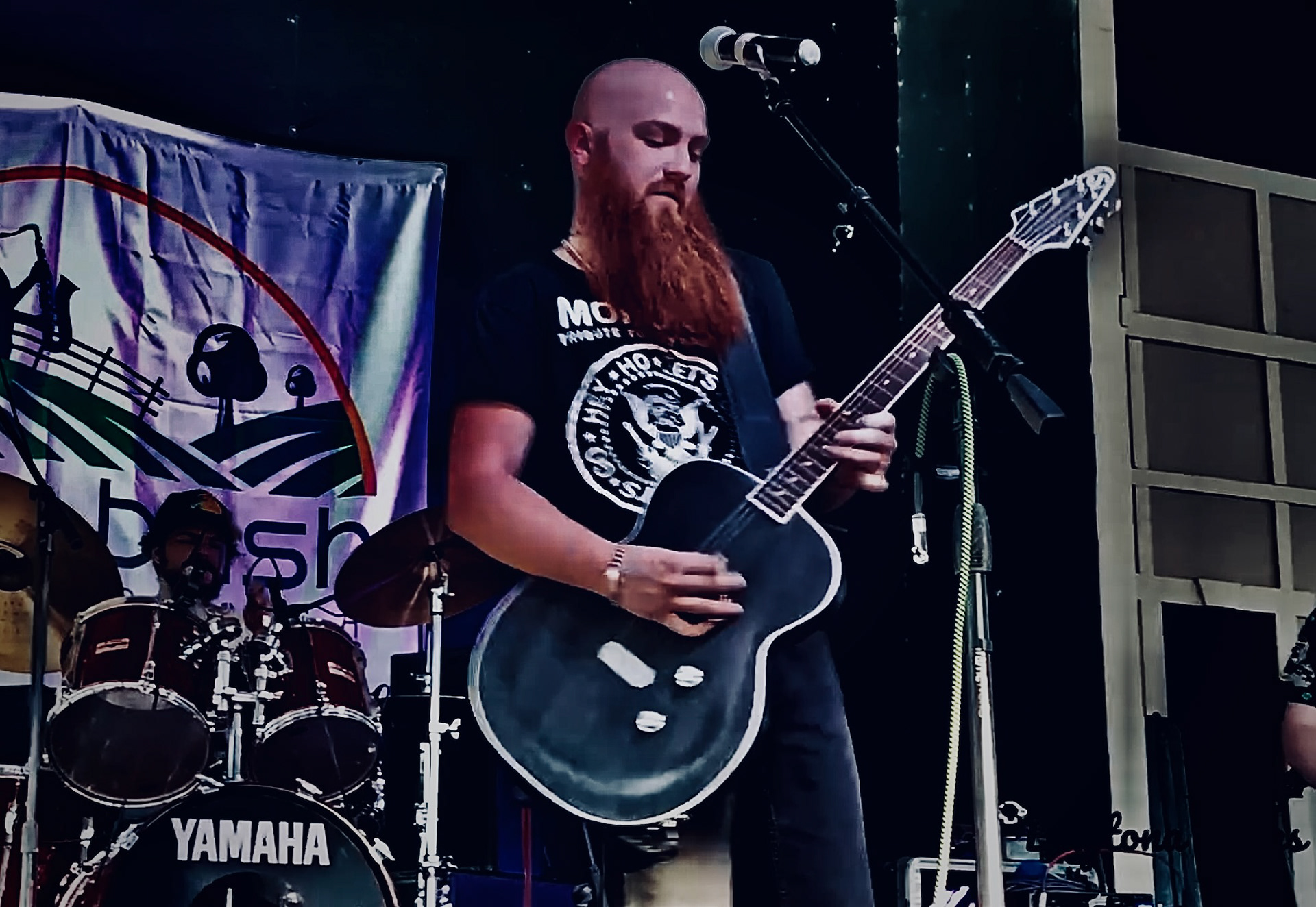
The objective was never simply to create an attractive custom guitar. The instrument had to reflect the person who would actually live with it and fully embody Dyer's musical identity, playing style, performance environment and aesthetic. Every decision was approached through that lens, translating his individual needs and preferences into a physical instrument that could become part of his identity on stage.
“I was invited to work with Gibson on a custom guitar, but I knew they wouldn't give me everything I need. Erik built my dream guitar and now I can't go into a guitar shop because I know nothing is as good as what I got.”
— Dyer Davis
— Dyer Davis
the design brief
CREATE A Instrument THAT FEELS INSEPARABLE FROM THE ARTIST HOLDING IT
Dyer's favorite guitar was a Gibson ES-335, and our earliest conversations also explored the Les Paul. But neither provided exactly what he needed on stage. Weight, balance, ergonomics, control complexity and long-term durability all presented opportunities to rethink the instrument around the player.
Rather than modifying an existing guitar, I used those requirements to establish a new design brief: preserve the character and familiarity Dyer loved in classic instruments while eliminating the compromises that didn't serve him.
DESIGN REQUIREMENTS
01 — LESS WEIGHT. BETTER BALANCE.
Reduce the burden without sacrificing presence.
The weight and balance of traditional instruments were major concerns, particularly for a guitar intended to be played on stage. The new design needed to feel substantially more comfortable and naturally balanced while maintaining the visual presence of a substantial instrument.
02 — ERGONOMICS BUILT AROUND THE PLAYER
Shape the guitar around Dyer, not convention.
Traditional designs lacked the body contouring Dyer wanted, so a belly cut became part of the design language of his Sunland instruments. The neck introduced a custom C/V profile I developed: one side uses a rounded C-like contour to support the thumb, while the opposite side transitions toward a flatter V-like surface designed around the first finger.
03 — SIMPLIFY THE STAGE EXPERIENCE
Everything he needs. Nothing he doesn't.
The electronics were deliberately simplified and made more accessible for live performance. Rather than surrounding Dyer with unnecessary switching and controls, the interface was reduced around the sounds he actually uses—making it easier to operate instinctively on stage without accidentally selecting the wrong setting.
PICKUPS
Humbuckers · P-90s
Humbuckers · P-90s

04 — CLASSIC CHARACTER. MODERN PERFORMANCE.
Respect the past without inheriting its limitations.
Dyer's identity is deeply rooted in 1970s rock & roll, so the instruments needed the familiarity and character of classic guitars without simply reproducing one. Hardware and construction choices combine traditional visual cues with modern durability, reliability and usability.
Classic influence ≠ vintage reproduction.
05 — BUILT FOR THE ROAD
Durability designed into the instrument.
These guitars weren't intended to live in cases or collections. They needed to withstand regular performance while remaining stable, playable and reliable.
CARBON-FIBER NECK REINFORCEMENT
Added structural stability to every model.
Added structural stability to every model.

STAINLESS-STEEL FRETS
Chosen for exceptional wear resistance and long-term performance.
Chosen for exceptional wear resistance and long-term performance.
Construction and hardware decisions throughout the instrument were evaluated with durability and tuning stability in mind.

06 — AN AUTHENTIC STAGE IDENTITY
Recognizable before he plays a note.
The guitar needed to belong naturally alongside Dyer's 1970s rock & roll aesthetic without disappearing into it. Rather than putting another familiar silhouette in his hands, the goal was to create something unmistakably different: an instrument that could become part of his identity as an artist.
When Dyer walks on stage carrying something the audience hasn't seen before, the instrument signals that something special is about to happen and that's the heart of the project.
MATERIAL & FINISH DIRECTION
MAHOGANY
Foundation material
Foundation material
STAINS & DYES
Allow the material itself to remain visible
Allow the material itself to remain visible
CERUSE
Introduced on the Stella
Introduced on the Stella
BURSTS
Developed further on the second Stella and continuing into Design 03
Developed further on the second Stella and continuing into Design 03

in summary:
LIGHTER.
BETTER BALANCED.
MORE INTUITIVE.
MORE DURABLE.
BETTER BALANCED.
MORE INTUITIVE.
MORE DURABLE.
UNMISTAKABLY DYER.
DESIGN 01

SUNLAND DD3
THE FIRST EXPRESSION OF DYER'S ARTIST INSTRUMENT.
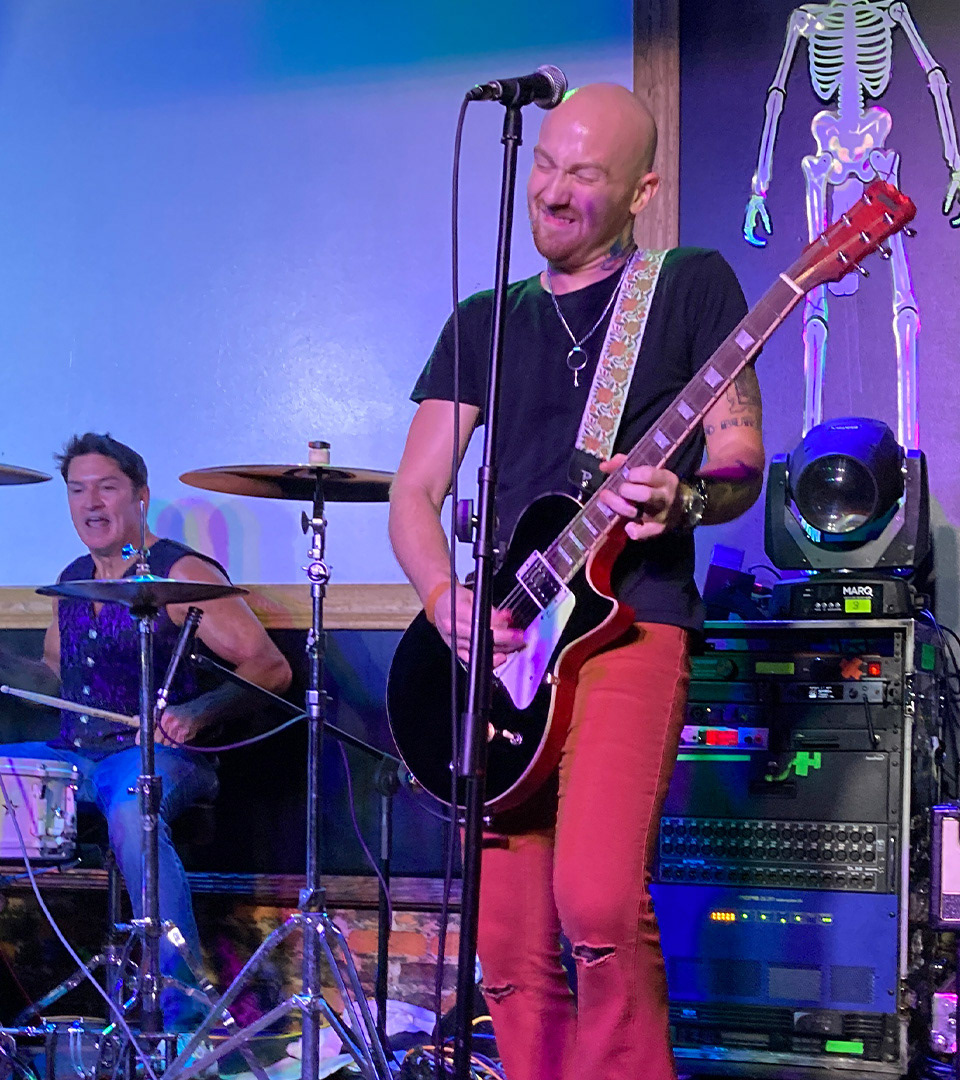
The DD3 was the first instrument developed from the design brief established with Dyer. Drawing from the familiar proportions and attitude of the Les Paul, the design stripped away unnecessary complexity while addressing the weight, comfort and stage usability that conventional instruments weren't giving him.
DESIGN
Sunland DD3
Sunland DD3
DESIGNER / BUILDER
Erik Ulven
Erik Ulven
ARTIST
Dyer Davis
Dyer Davis
STATUS
Completed Custom Instrument
Completed Custom Instrument

CONCEPT
FAMILIAR DNA. A DIFFERENT INSTRUMENT.
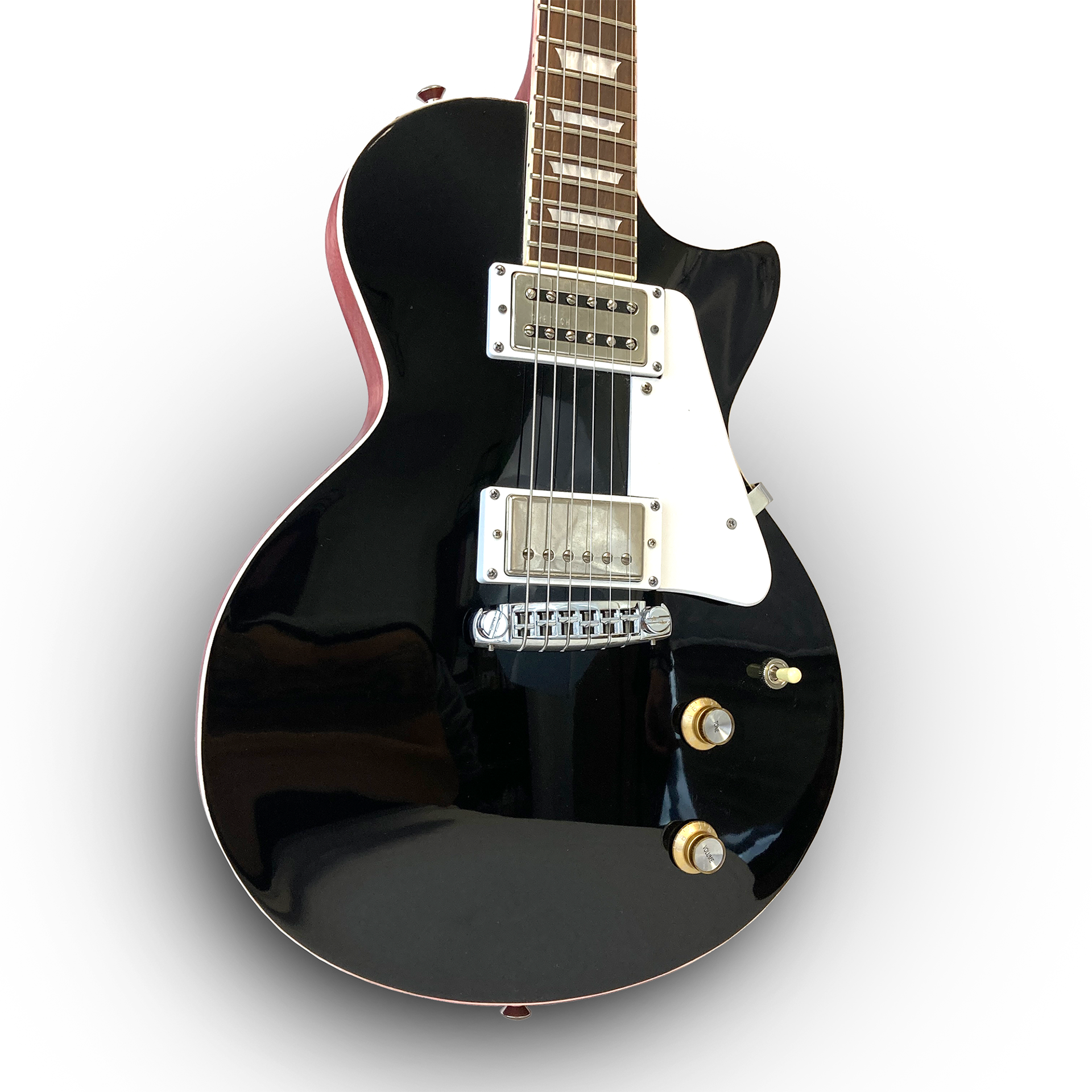
The DD3 began with the visual language of one of rock & roll's most recognizable instruments. Rather than recreate a Les Paul, I used that familiarity as a starting point for an instrument designed specifically around Dyer.
Classic proportions, mahogany construction and a dark nitro finish preserve the attitude he was drawn to, while the ergonomics, weight and electronics were reconsidered around how he actually plays.
FORM
CLASSIC PROPORTIONS. PLAYER-CENTERED ERGONOMICS.
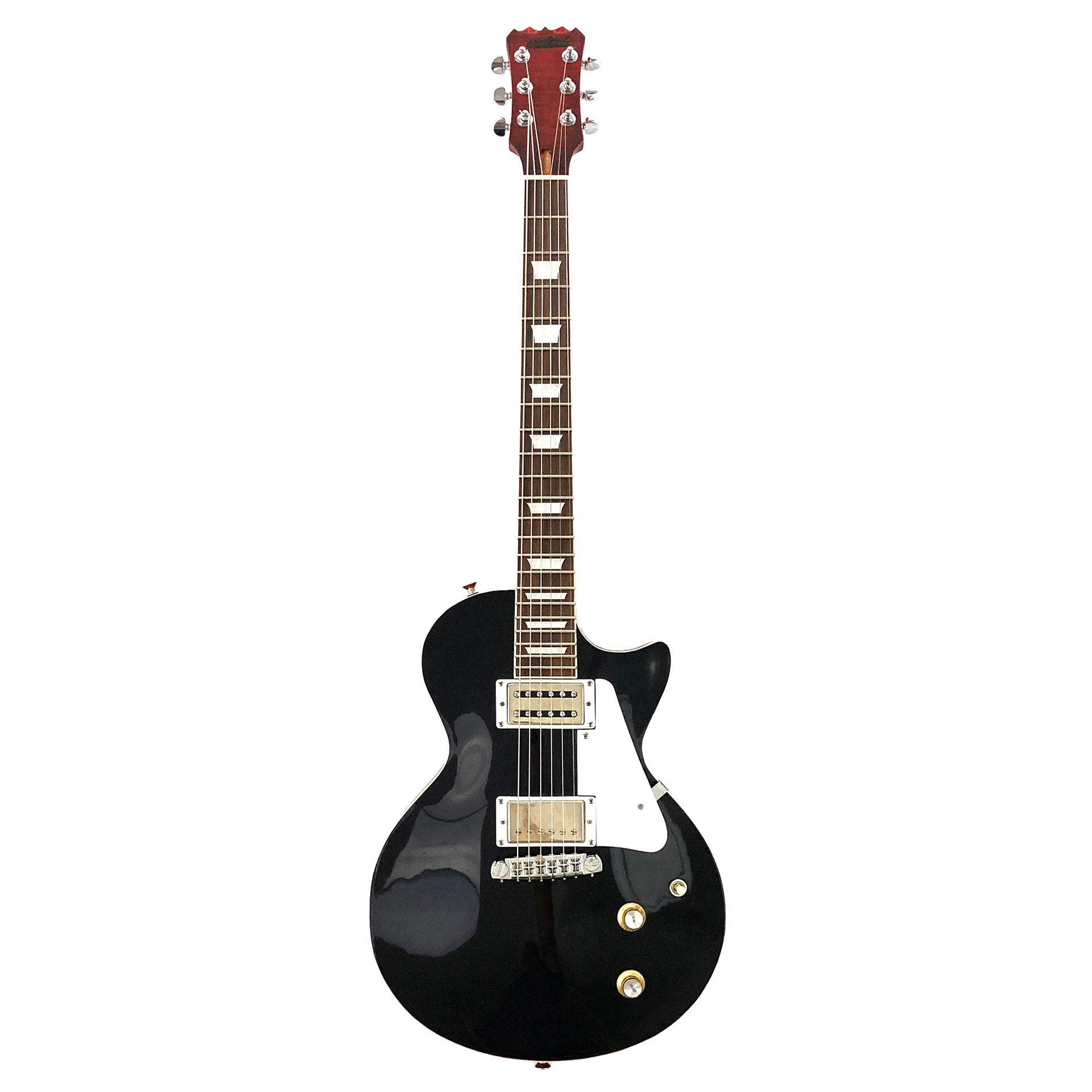
The DD3 retains the substantial visual presence Dyer wanted while removing unnecessary mass and introducing contours absent from the traditional instruments that inspired it.
LIGHTER WEIGHT
Material and form were reduced to create a more comfortable stage instrument.
BELLY CUT
A rear body contour allows the guitar to sit more naturally against the player.
IMPROVED COMFORT
The body was shaped around extended performance rather than adherence to vintage convention.

NECK
SHAPED AROUND THE HAND.
The DD3 introduced my custom C/V neck profile—developed around the way the player's hand naturally interacts with the neck rather than relying on a symmetrical traditional carve.
C SIDE
A rounded surface provides a natural contact point against the thumb.
A rounded surface provides a natural contact point against the thumb.
V SIDE
A flatter opposing surface supports the first finger and creates a distinct reference point in the hand.

MATERIAL
MAHOGANY THROUGHOUT
Mahogany was used throughout the body, top and neck, giving the DD3 a consistent material foundation while allowing finish to create contrast between its surfaces.
NITROCELLULOSE BLACK
A black nitrocellulose finish gives the face of the instrument a restrained, classic presence under stage lighting.
RED STAINED MAHOGANY
The back was left visually expressive through a red stain, allowing the mahogany grain to remain visible and creating a deliberate contrast with the opaque black top.


VOICE
LESS BETWEEN THE PLAYER AND THE MUSIC.
The DD3's electronics were intentionally simplified around Dyer's needs on stage. The objective wasn't to maximize the number of options—it was to make the options he actually uses immediate and difficult to get wrong in the middle of a performance.
PICKUPS
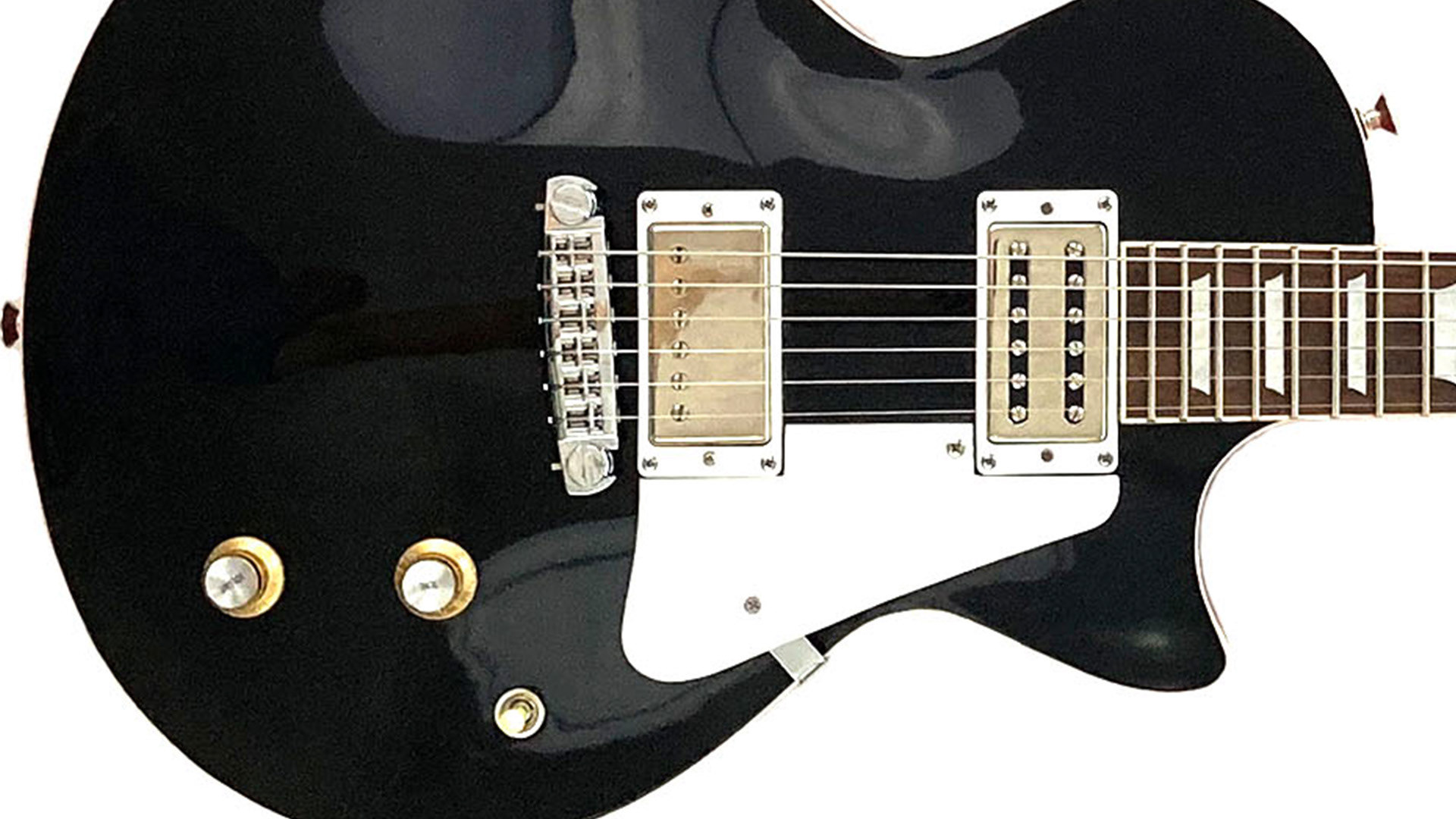
Gretsch Broadtron in the Neck Position
Gretsch Broadtron in the Neck Position
Gibson '57 in the Bridge Position
CONTROLS
1 Master Volume, 1 Master Tone, 1 3-way Toggle Switch
HARDWARE
Modern Wrap-around Bridge, White pickguard, Classic Chome Grover Tuning Machines
DETAIL & DURABILITY
BUILT TO BE PLAYED
The DD3 combined classic visual references with contemporary construction choices intended for the demands of a working musician.
CARBON-FIBER NECK REINFORCEMENT
Additional structural reinforcement built into the neck.
Additional structural reinforcement built into the neck.
STAINLESS-STEEL FRETS
Chosen for exceptional wear resistance and long service life.
Chosen for exceptional wear resistance and long service life.
MODERN HARDWARE
Classic visual character paired with contemporary reliability and usability.
Classic visual character paired with contemporary reliability and usability.

IDENTITY
DESIGNED TO BELONG TO DYER
The DD3 wasn't intended to disappear into the collection of familiar guitars already associated with rock & roll. It needed to feel authentic beside Dyer's influences while establishing a visual identity of its own.
Black nitro, red-stained mahogany, classic references and an original silhouette created an instrument that felt at home in Dyer's world without simply repeating what had come before.
RECOGNIZABLE INFLUENCE.
DISTINCT IDENTITY.
THE DD3 IN USE
SUNLAND DD3
LES PAUL–INSPIRED FOUNDATION
Classic rock & roll familiarity without direct reproduction.
Classic rock & roll familiarity without direct reproduction.
REDUCED WEIGHT
Designed around greater comfort on stage.
Designed around greater comfort on stage.
PLAYER-CENTERED ERGONOMICS
Belly contour and custom C/V neck profile.
Belly contour and custom C/V neck profile.
SIMPLIFIED ELECTRONICS
A more intuitive interface for live performance.
A more intuitive interface for live performance.
DISTINCT ARTIST IDENTITY
An instrument developed specifically around Dyer.
An instrument developed specifically around Dyer.

ONE GUITAR ESTABLISHED THE FOUNDATION.
THE NEXT WOULD EVOLVE IT.
DESIGN 02
EVOLVING THE DESIGN
The DD3 established the foundation of Dyer's artist instruments. The second design wasn't a reset—it was an opportunity to evaluate what worked, carry those ideas forward and push the emerging design language into new territory.
KEEP THE PRINCIPLES. CHANGE THE EXPRESSION.

SUNLAND STELLA
THE SECOND EVOLUTION OF DYER'S ARTIST INSTRUMENT.

FORM
01 — DD3
Les Paul-inspired starting point with an original body design.
Les Paul-inspired starting point with an original body design.
02 — STELLA
Bigger body, slightly smaller than a Gibson 335
Bigger body, slightly smaller than a Gibson 335
ERGONOMICS
01 — DD3
Reduced weight · Belly contour · C/V neck
Reduced weight · Belly contour · C/V neck
02 — STELLA
Even lighter at 6lbs, chambered body, belly contour and C/V neck
Even lighter at 6lbs, chambered body, belly contour and C/V neck
VOICE
01 — DD3
Simplified electronics · Broadtron + '57
Simplified electronics · Broadtron + '57
02 — STELLA
Simplified electronics and a single P90
Simplified electronics and a single P90
MATERIAL
01 — DD3
Mahogany construction · Black nitro top · Red-stained back
Mahogany construction · Black nitro top · Red-stained back
02 — STELLA
Mahogany construction, Cerruse finished
Mahogany construction, Cerruse finished
DETAIL
01 — DD3
Classic references interpreted through a new instrument.
Classic references interpreted through a new instrument.
02 — STELLA
Classic references, simplified, minimized and more efficient
Classic references, simplified, minimized and more efficient



ERGONOMICS
KEEPING WHAT WORKED
The DD3 wasn't intended to disappear into the collection of familiar guitars already associated with rock & roll. It needed to feel authentic beside Dyer's influences while establishing a visual identity of its own.
C/V NECK PROFILE
The custom asymmetric neck profile developed for Dyer continued into the second design.
The custom asymmetric neck profile developed for Dyer continued into the second design.
BELLY CONTOUR
The player-centered rear contour remained part of Dyer's instrument language.
LIGHT AS A FEATHER
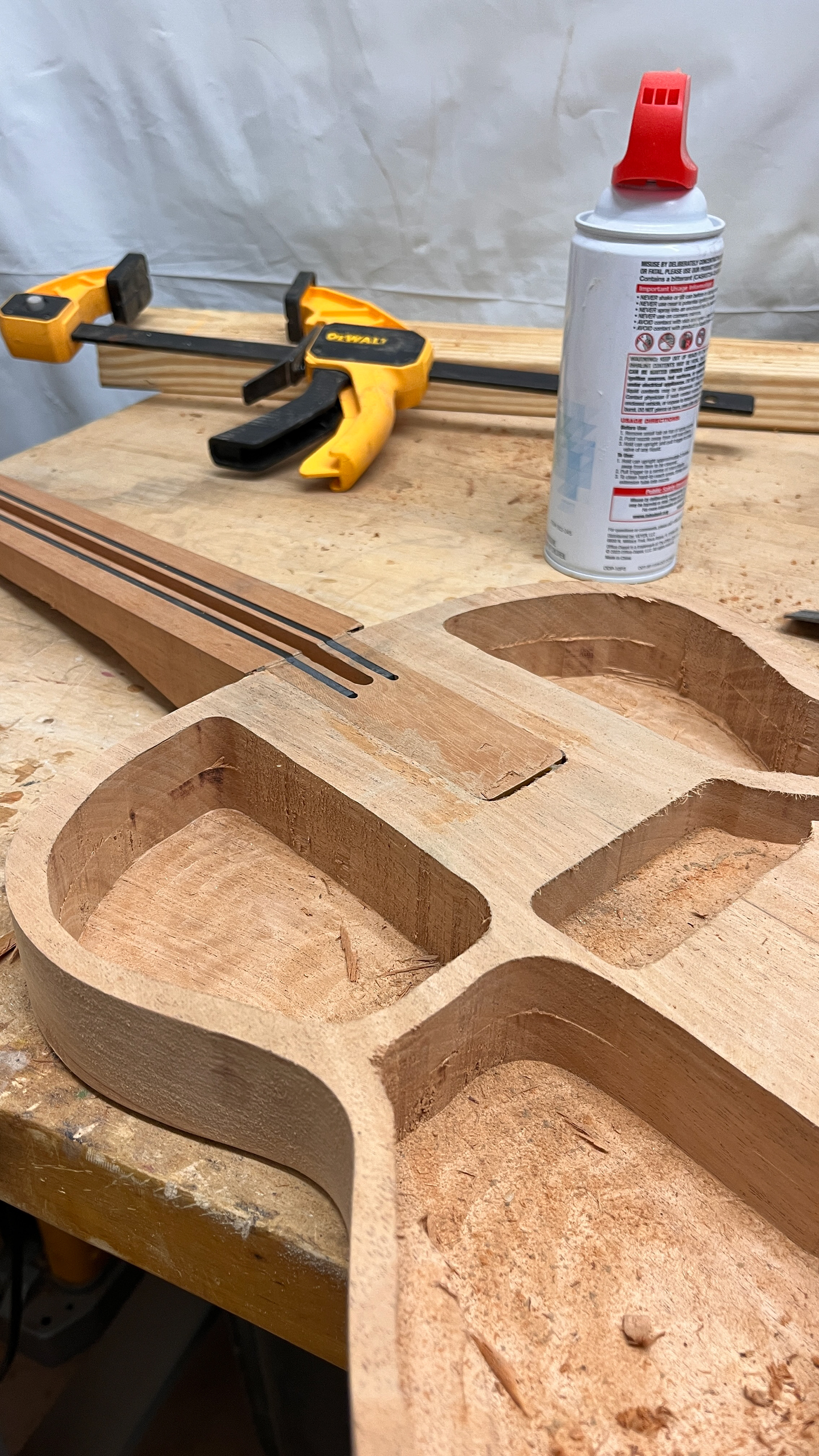
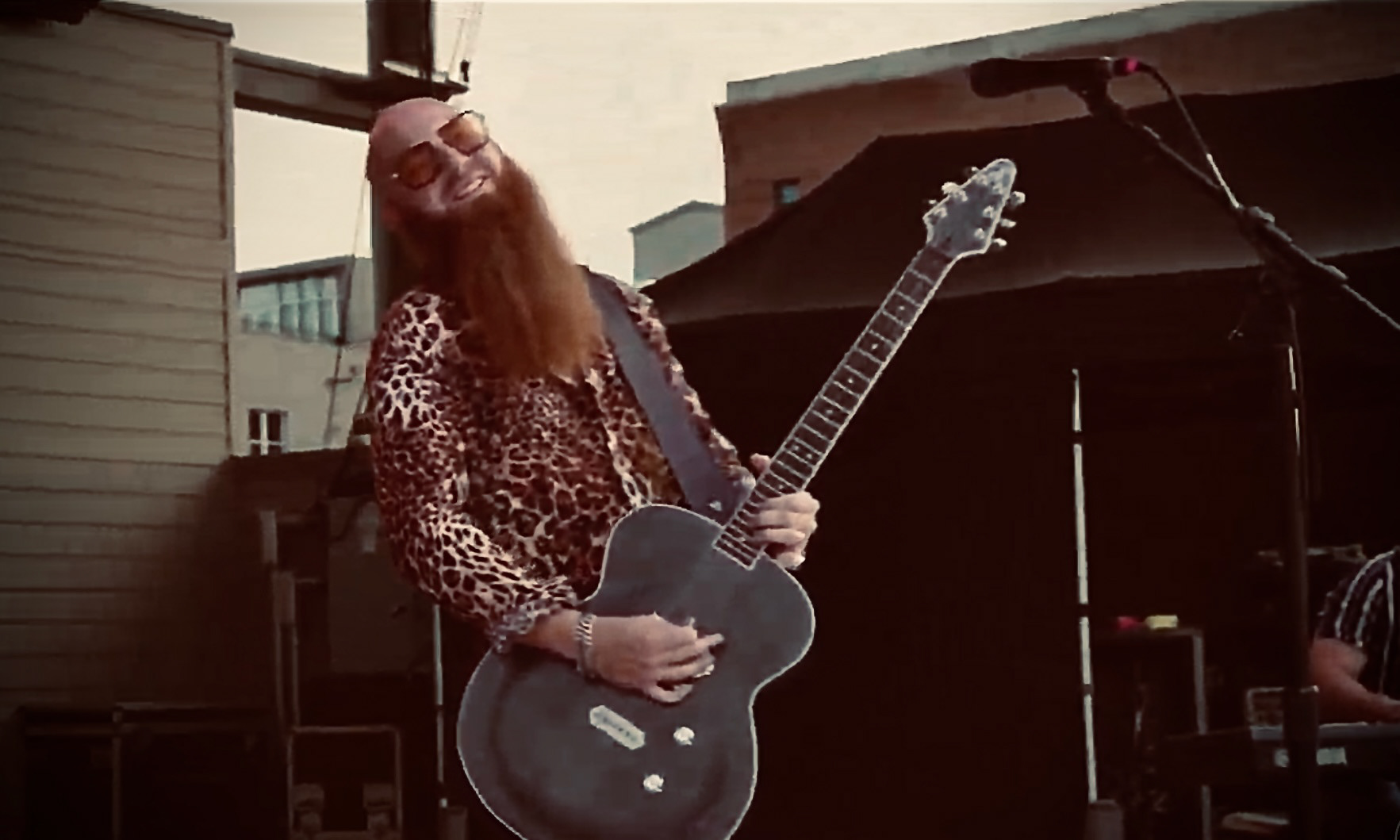
Although the Stella is a bigger guitar, it's lighter than the DD3. By chambering the body, we reduced the weight to 6lbs. A lighter guitar means less drag on the artist, longer playing time and more mobility.
Although the Stella is a bigger guitar, it's lighter than the DD3. By chambering the body, we reduced the weight to 6lbs. A lighter guitar means less drag on the artist, longer playing time and more mobility.

MATERIAL & FINISH
MAHOGANY THROUGHOUT
Mahogany was used throughout the body, top and neck, giving the Stella a consistent material foundation while allowing finish to create contrast between its surfaces similar to the DD3.
CERRUSE FINISH
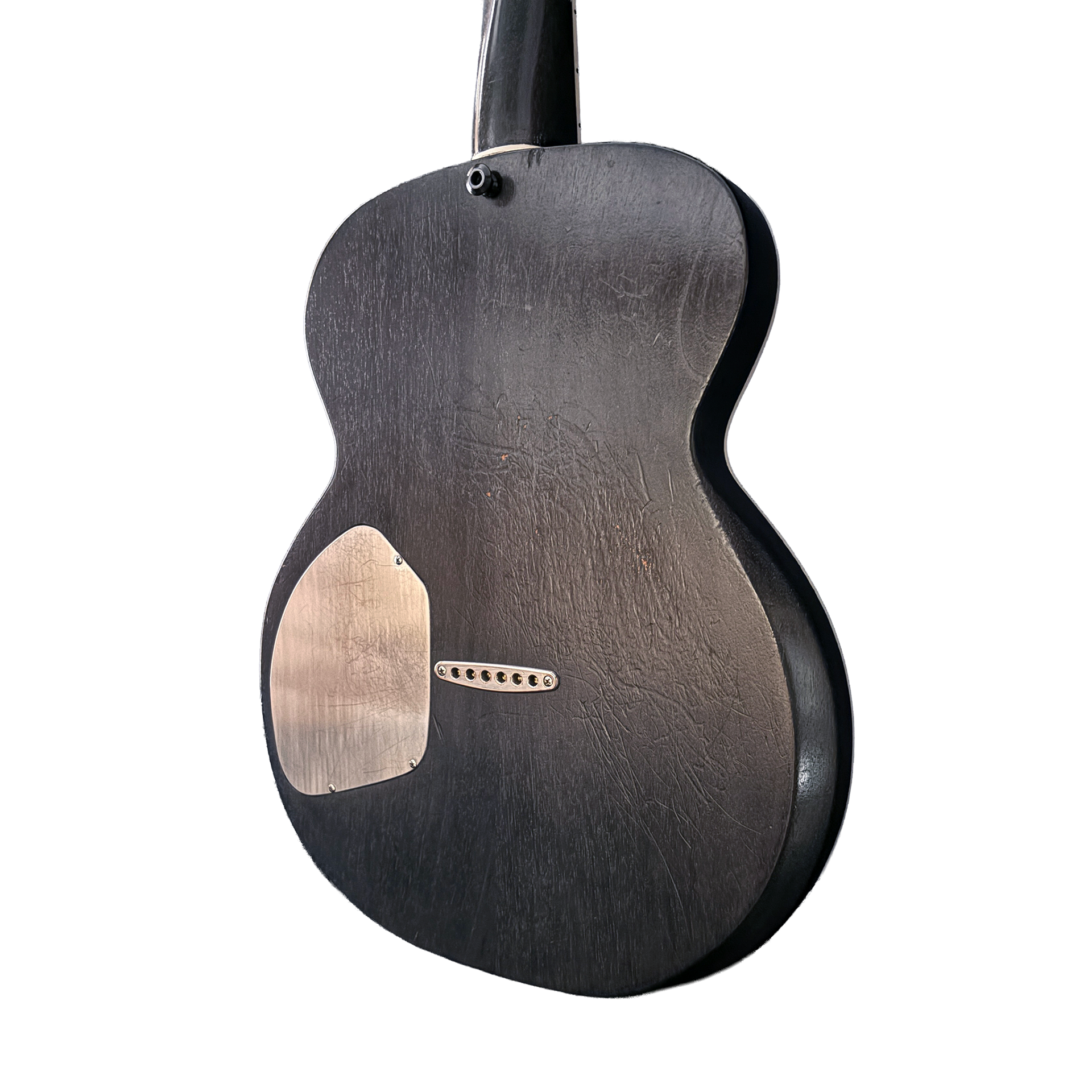
A black stain and silver oil grain filler creates a "silver fox" finish.
HARDWARE
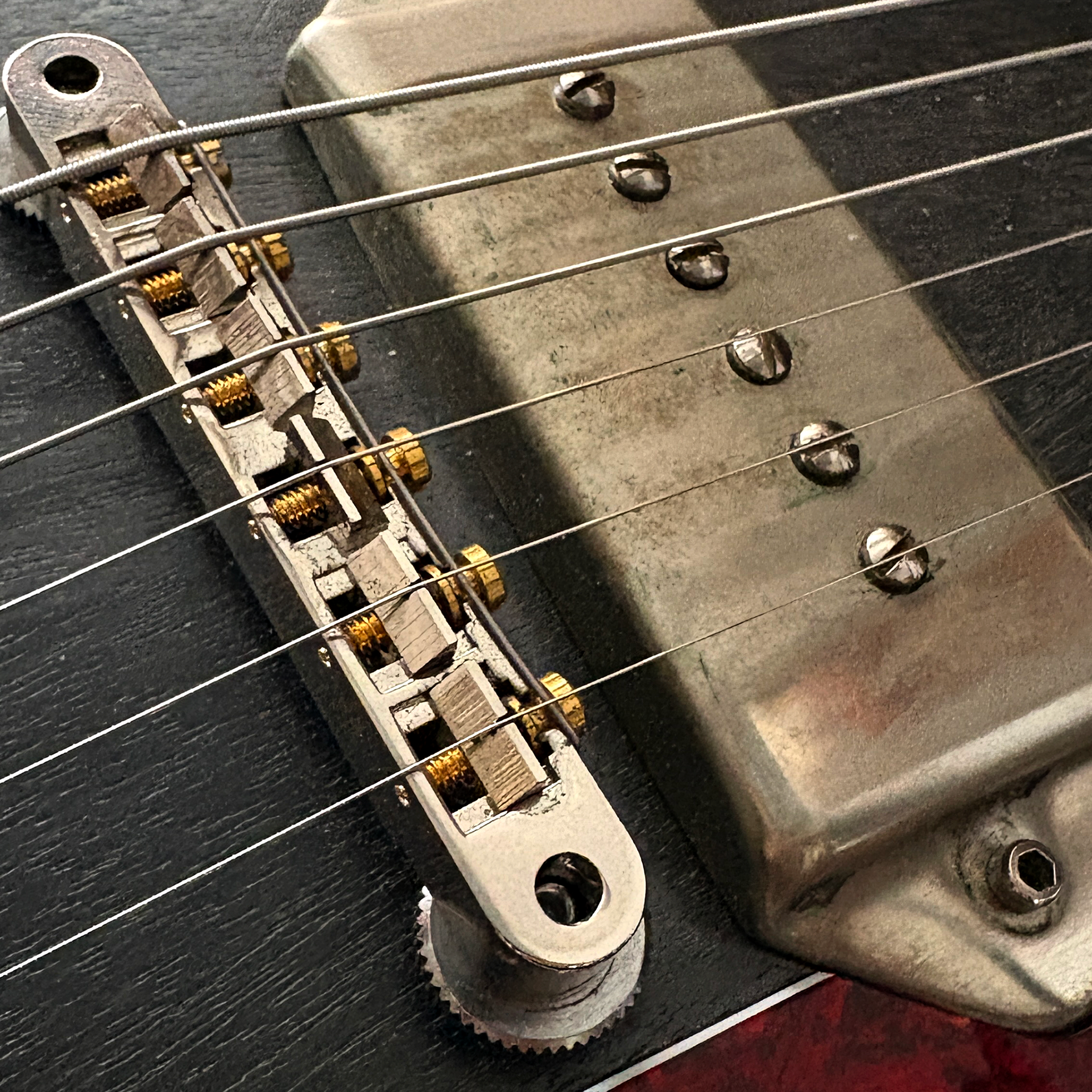
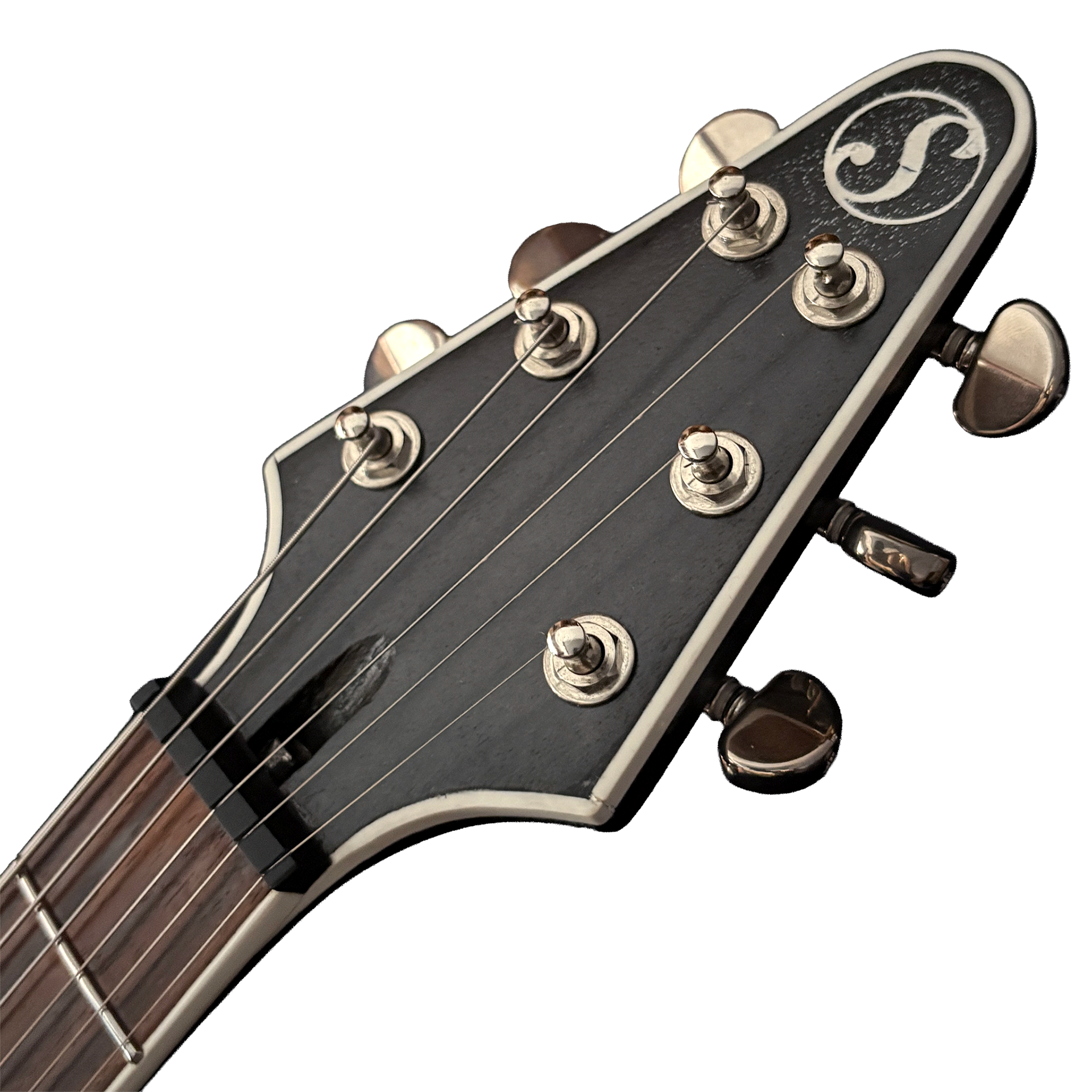
Classic nickel and chrome finished metal hardware complete the aesthetic. A pickguard was added later to the design as well as aluminum covers under the neck and around the string holes through the body.

VOICE
REFINING THE INSTRUMENT AROUND THE PLAYER
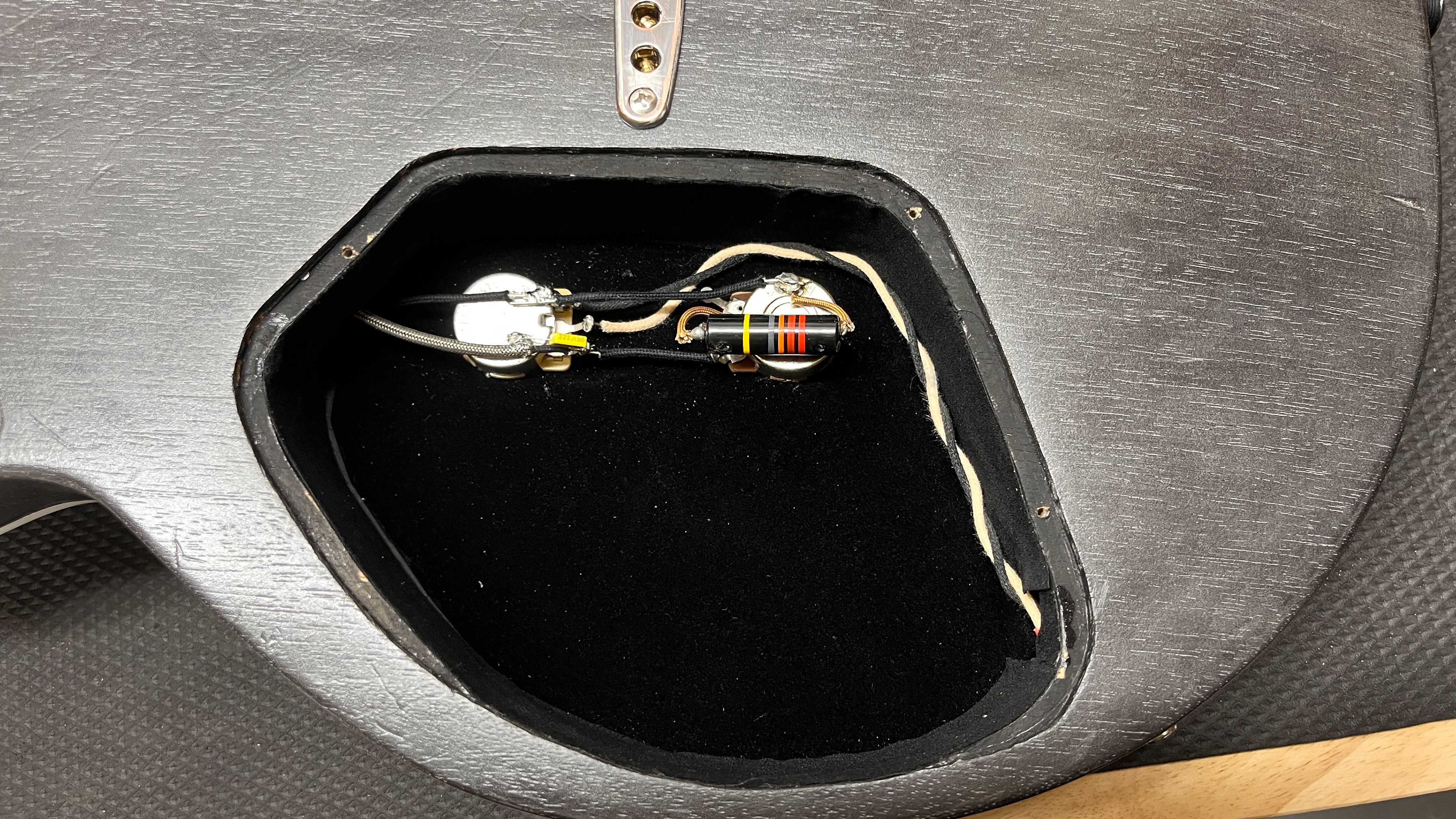
The Stella's electronics are even more simple and straightforward than the DD3. With just one pickup, no switch is required along with one volume and one tone control.
PICKUP
Lindy Fralin noiseless P90 dogear pickup
Lindy Fralin noiseless P90 dogear pickup
CONTROLS
1 Volume, 1 Tone
HARDWARE
Classic Tune-O-Matic bridge, metal knobs, nickel and chrome finish and hex bolt screws
IDENTITY
FROM A CUSTOM GUITAR TO AN ARTIST LANGUAGE
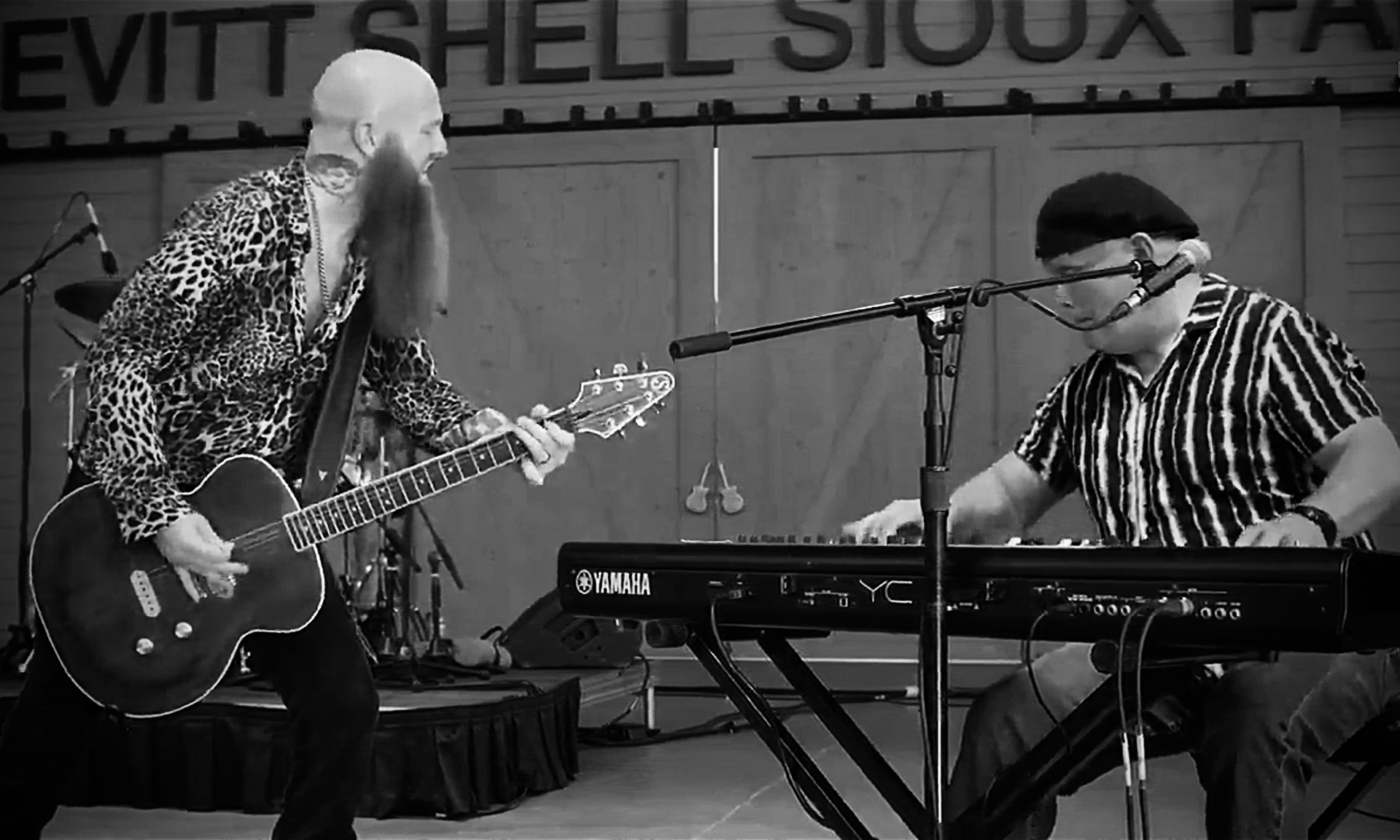
By the second design, the project was becoming more than a series of individual custom guitars. Certain decisions were beginning to repeat of player-centered ergonomics, simplified interaction, modern durability, expressive materials and an unmistakable stage presence.
Those recurring ideas became the foundation of Dyer's evolving instrument identity.
Those recurring ideas became the foundation of Dyer's evolving instrument identity.
PLAYER-CENTERED
SIMPLIFIED
TACTILE
ROAD-READY
UNMISTAKABLE
SIMPLIFIED
TACTILE
ROAD-READY
UNMISTAKABLE

STELLA No.2
FROM ONE-OFF DESIGN TO REPEATABLE INSTRUMENT


The second Stella created a different design challenge: reproduce the essential qualities of a handmade artist instrument without treating the original as an untouchable one-off.
BURST FINISH
The second Stella featured the first SUNSET BURST using tinted nitrocellulose lacquer.
The second Stella featured the first SUNSET BURST using tinted nitrocellulose lacquer.
REFINED MANUFACTURING PROCESS
The second build was faster, more efficient and ended with a cleaner, higher quality product.
The second build was faster, more efficient and ended with a cleaner, higher quality product.
STELLA 01 / STELLA 02

CONSISTENT BY DESIGN. INDIVIDUAL BY NATURE.
FORM
Maintained
Maintained
ERGONOMICS
Maintained
C/V PROFILE
Maintained
CORE CONSTRUCTION
Maintained
FINISH
Evolved
NATURAL MATERIAL
Unique to each instrument

SUNLAND STELLA
DESIGN 01 ESTABLISHED THE PRINCIPLES.
DESIGN 02 ESTABLISHED THE LANGUAGE.
ORIGINAL FORM
A new silhouette expanded Dyer's instrument identity beyond the DD3.
A new silhouette expanded Dyer's instrument identity beyond the DD3.
PROVEN ERGONOMICS
Successful player-centered features carried forward.
Successful player-centered features carried forward.
EXPRESSIVE MATERIALS
Ceruse and later burst treatments pushed natural material into the visual identity.
Ceruse and later burst treatments pushed natural material into the visual identity.
REPEATABLE DESIGN
A second Stella demonstrated that the concept could exist beyond a single handmade object.
A second Stella demonstrated that the concept could exist beyond a single handmade object.
EVOLVING IDENTITY
The recurring decisions began forming a recognizable family of artist instruments.
The recurring decisions began forming a recognizable family of artist instruments.
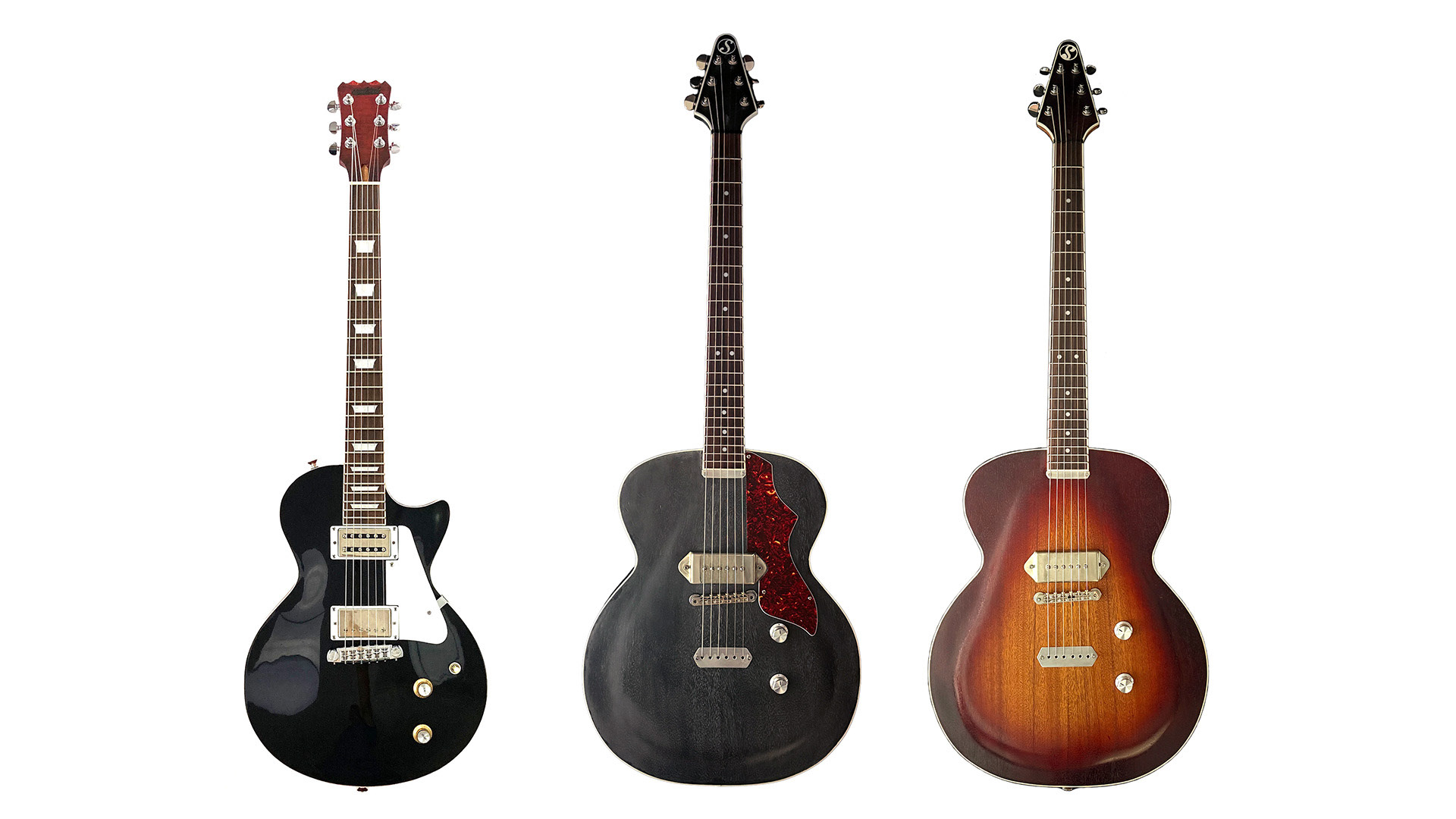
THREE INSTRUMENTS.
TWO ORIGINAL DESIGNS.
ONE EMERGING IDENTITY.
TWO ORIGINAL DESIGNS.
ONE EMERGING IDENTITY.
DESIGN 03
THE NEXT ONE ISN'T FINISHED YET
DYER No. 03 · CURRENTLY IN DEVELOPMENT
The collaboration continues. Design 03 builds on the principles established through the DD3 and Stella while exploring the next evolution of Dyer's artist instruments. Rather than presenting only the finished result, this chapter documents the design as it happens, from the earliest ideas through development and construction.
DESIGN DECISIONS
EVERY CHANGE HAS A REASON
Design No.3 is adding a second pickup in the middle positions so a 3-way toggle switch will be added back to the design like the DD3.
FORM
The new form is Rickenbacker inspired just like some of Dyer's guitar idols. This guitar is 60's inspired so going back in time with inspiration for this one.
The new form is Rickenbacker inspired just like some of Dyer's guitar idols. This guitar is 60's inspired so going back in time with inspiration for this one.
VOICE
Filtertron pickups in the bridge and middle positions to give this one a new voice.
Filtertron pickups in the bridge and middle positions to give this one a new voice.
MATERIAL / FINISH
Sticking with what works: Mahogany. The Sunset Burst is the featured finish but the natural wood color is revealed on the beveled edges.
Sticking with what works: Mahogany. The Sunset Burst is the featured finish but the natural wood color is revealed on the beveled edges.

WHAT'S NEXT
THE DESIGN ISN'T DONE UNTIL DYER PLAYS IT.
The next stage isn't simply completing the instrument. Once Design 03 reaches Dyer's hands, the process continues through setup, evaluation and real-world performance. His response becomes part of the design process and potentially the starting point for whatever comes next.

THE STORY CONTINUES
DYER No. 03
Currently in development.
Currently in development.
UPDATED OCTOBER 2026
DYER DAVIS × SUNLAND GUITARS
Designed for one artist. Built for every stage.


